
Shawarma is defined by the filling method
Shawarma generally centres on seasoned meat cooked on a rotating spit, sliced and wrapped with sauces, pickles or vegetables. Bread type, portion and accompaniments vary. The useful distinction is that the meat and its preparation lead the item.
Hassan Mathar is usually a richer layered sandwich
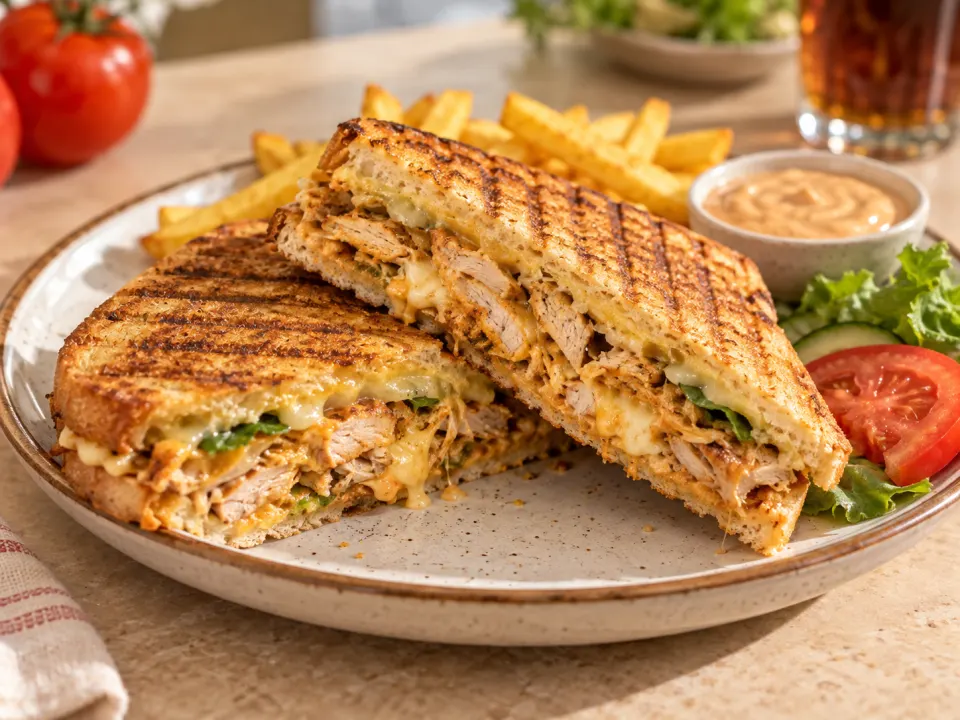
Hassan Mathar is widely understood in UAE cafeteria culture as a layered, toasted or pressed sandwich format, commonly using chicken shawarma-style filling, cheese and sauce. The exact bread and additions are not universal. It is typically richer and less portable than a narrow shawarma wrap.
Worked choice: for a quick meal while walking, a simple wrap is usually easier to handle. For a sit-down meal where richness matters more than portability, Hassan Mathar may be the better fit.
Arabic wraps cover a broad family
“Arabic” may indicate bread style, presentation or seasoning rather than one regulated recipe. Look for the visible description and ask about sauces when ingredients matter. Do not treat marketing names as allergen declarations.
Our judgement
Choose by eating situation first: portability, richness and portion. Choose by name second. This reduces disappointment when two branches use the same familiar name for slightly different builds.
Practical field note
Use a four-part comparison: bread, main filling, sauce and handling. A pressed layered sandwich may stay together while seated but become awkward during a commute; a narrow wrap is usually easier to carry but may offer less variety in each bite. In either case, cheese and house sauce should be checked separately. The names describe familiar UAE formats, not regulated recipes, so this comparison supports a question to the branch rather than replacing one.
Compare structure, not only filling
A classic shawarma wrap usually distributes sliced meat and accompaniments along a rolled bread. A Hassan Mathar-style sandwich is commonly broader, layered, cheesier and pressed or toasted. An Arabic-style presentation may be cut into sections and served with pickles, fries or sauce, but the phrase is used differently across menus. These structural differences affect temperature, texture, portability and how easily an item can be shared.
For takeaway, ask whether fries are inside or beside the sandwich and whether sauce can be packed separately. Internal fries and generous sauce can soften during a longer journey. For a table order, that may not matter; for a commute, a simpler wrap may retain its intended texture better.
Ingredient questions that change the choice
The visible meat is only one part of the decision. Bread may contain wheat and other ingredients; garlic or house sauces may contain egg or dairy; cheese may be standard in a named sandwich even when it is not obvious from a short listing. Pickles, spice level and added chips also change the experience. Ask about the complete build when an ingredient matters.
For example, requesting “no cheese” does not establish that the sauce is dairy-free, and choosing chicken does not establish that preparation equipment is separated from other foods. Diners managing allergies need current branch information about both ingredients and shared preparation. The safest editorial position is to explain useful questions without making a medical or allergen-free guarantee.
Decision checkpoint
For a side-by-side tasting, keep variables controlled. Choose the same main protein where possible, avoid adding unrelated sides, and compare bread, sauce distribution, cheese, heat retention and ease of eating. A shawarma may emphasise sliced meat and pickles; Hassan Mathar may emphasise toasted layers and richness; an Arabic presentation may emphasise cut portions and accompaniments. Record that as one branch experience, not a permanent definition for the entire brand. Recipes can change with suppliers and staff instructions. If a format becomes a favourite, ask for its current standard build on the next visit before requesting modifications. This approach produces a useful personal comparison while respecting the fact that familiar cafeteria names remain flexible rather than legally standardised recipes.
Quick decision summary
Choose shawarma when sliced meat and a compact wrap are the priority. Choose Hassan Mathar when toasted layers, sauce and cheese are the point of the meal. Choose another Arabic wrap presentation when cut portions or accompaniments suit the table. Then verify bread, meat, cheese, sauce, pickles and included sides. For travel, consider steam and sauce; for sharing, confirm how the item is cut. For allergies, ask about every component and shared preparation. Finally, confirm current size, price and availability at the selected branch. This sequence preserves the useful cultural meaning of the names without treating them as fixed recipes.
Sources and verification
Sources checked on 2026-09-20. Scheduled review by 2027-03-20, or sooner if a material fact changes.