
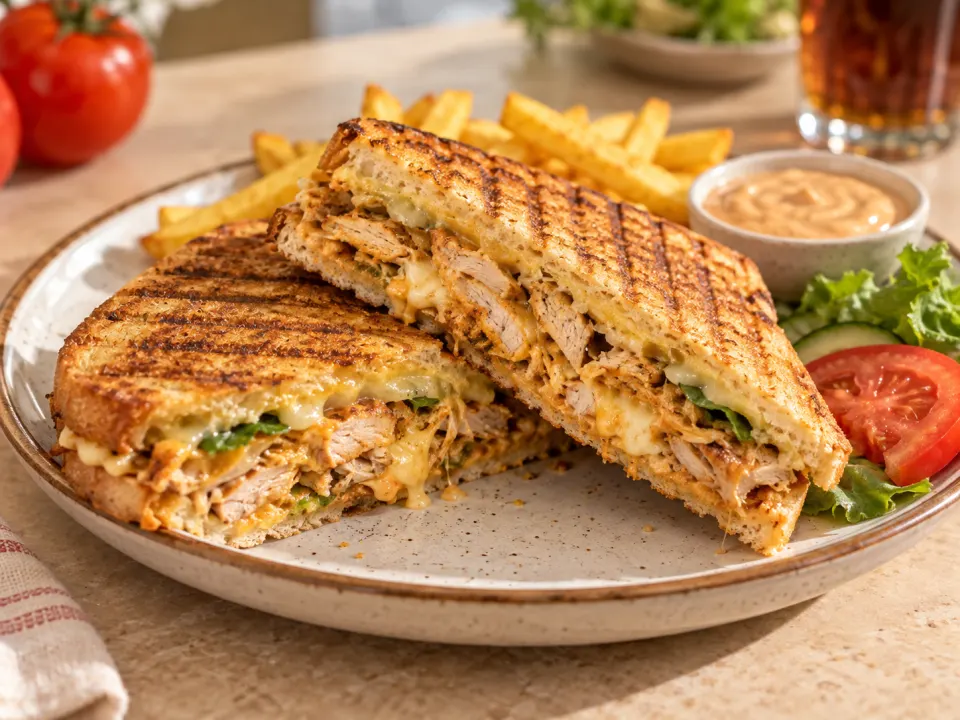
Bread is the defining feature
Compared with a thin wrap, paratha is usually richer and more layered. It can hold egg, chicken, vegetables or crisp fillings, but sauce quantity affects how well it travels.
Compare the whole build
An egg paratha and a fried-chicken paratha serve very different needs. Look beyond the shared bread name and check the main filling, cheese, sauce and added chips.
Worked choice
For a quick breakfast, egg and a restrained sauce can be simpler. For a later meal, a chicken version may be more substantial, though an added side may then be unnecessary.
Our judgement
Choose paratha when the bread texture is part of the appeal. If you mainly want the filling with less richness from bread, compare a standard wrap.
Practical field note
A practical comparison starts by separating the bread from the filling. Ask whether the paratha is plain or layered with additional fat, then check cheese, sauce, chips and the main protein. For example, an egg paratha with tea can function as breakfast, while a crisp-chicken paratha with cheese and sauce is closer to a full lunch. Because preparation differs, the name alone cannot establish ingredients, portion or suitability for a dietary need; branch confirmation is essential.
Why paratha changes the meal
Paratha is valued for layered texture and richness, so the bread is an active part of the item rather than a neutral wrapper. Toasting or pressing can create crisp surfaces while the inner layers remain soft. That structure pairs well with egg, chicken and savoury sauces but can become heavy when combined with cheese, chips and multiple creamy additions.
Compare a paratha sandwich with a thin wrap using the complete build. If the filling is identical, the bread can still change portability, fullness and how the item holds heat. For a longer takeaway trip, ask for wet sauces separately when possible to protect texture.
Breakfast, snack or full meal
An egg paratha with tea may function as breakfast. A small vegetable version may be a snack. A fried-chicken paratha with cheese, sauce and fries may function as a full meal before any side is added. Menu placement does not always make that role obvious, especially on a very broad cafeteria menu.
Decide the intended role first, then ask about filling, size and standard additions. Do not rely on the name to establish suitability for vegetarian, dairy-free or allergen-sensitive diners. Cross-contact and pre-mixed sauces require direct confirmation. Current pricing and availability may also differ by branch and ordering channel.
Decision checkpoint
Temperature is central to paratha texture. The layered bread is most distinctive when served warm, and steam from hot filling can soften crisp surfaces inside closed packaging. A direct collection journey therefore favours the format more than a long multi-stop route. If the item must travel, request separate wet sauce where available and avoid placing a cold drink against it. When comparing value, include the bread’s richness and standard fillings rather than treating it like an empty wrapper. A paratha sandwich that already contains protein, cheese and chips may not need fries. This is a practical fullness judgement; exact ingredients, nutrition and portion still require branch-specific information.
Quick decision summary
Choose paratha because you want its layered, warm bread, not merely because it appears beside ordinary wraps. Decide whether the filling makes the item breakfast, snack or full meal. Check protein, cheese, chips, sauce and standard additions before adding a side. For takeaway, protect the bread from steam and wet sauce where the branch can pack them separately. Do not infer vegetarian, dairy-free or allergen-free status from the main filling. Ask about bread ingredients, sauce and shared preparation. Finally, confirm current branch size, price and availability, since the format name alone establishes none of them.
When this guide should be reviewed
Review is required when bread preparation, standard fillings or breakfast availability changes. Because paratha richness and handling are central to the comparison, a recipe or packaging change can materially alter the advice. Corrections should identify the branch and date.
Final note
One confirmed ingredient answer is more useful than several assumptions based on the sandwich name.
Sources and verification
Sources checked on 2026-09-20. Scheduled review by 2027-03-20, or sooner if a material fact changes.