
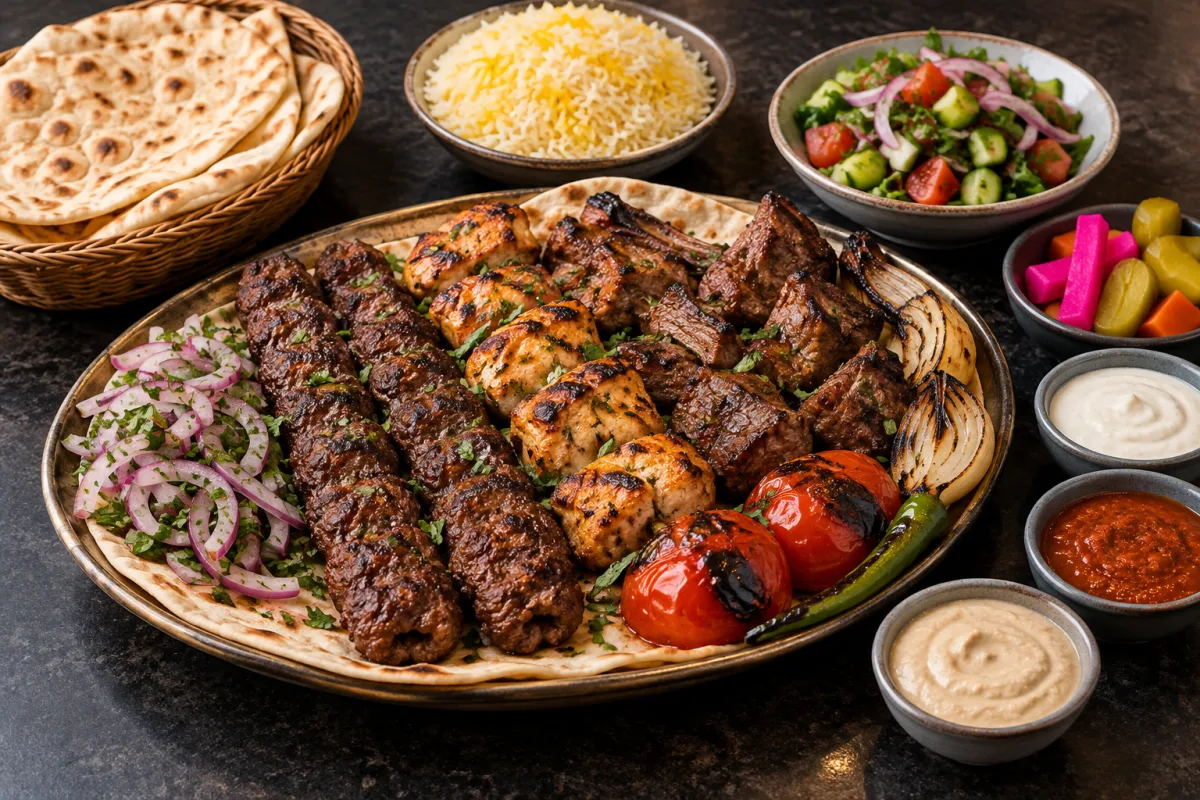
Confirm the base plate
Ask which bread, rice, fries, salad, pickles and sauces are included. Mixed grill and charcoal chicken listings can use similar names while providing different accompaniments. A photograph is not reliable evidence of today’s portion.
When sharing, also confirm piece counts and whether the listed size describes a whole, half or selected portion. This prevents the group from treating a tasting plate as a complete shared main.
Choose contrast rather than volume
Smoky, rich grilled food often benefits from a fresh or acidic side. Salad, pickles or lemon can provide contrast; another fried side mainly adds volume. Choose either bread or rice as the main starch unless diners specifically want both.
Sauces can contain dairy, egg, sesame or other ingredients. Names such as garlic sauce or tahini describe a style, not a complete allergen statement.
Plan for takeaway
Request wet sauces separately when possible and keep cold sides apart from hot grill boxes. Closed containers trap steam, so bread and fried additions can soften during a longer journey. Travel directly and follow current food-safety guidance.
Worked two-person example
Start with a confirmed two-person grill quantity, one shared starch, one fresh side and individually chosen drinks. Add an extra sauce only after checking what is already packed. This creates variety without guessing portion sizes.
Decision summary
Verify the plate first, select one primary starch, add a fresh contrast and separate temperature-sensitive items for travel.
Read the grill description component by component
Separate the protein from its marinade, cooking style, portion and accompaniments. “Mixed grill” may include several meats, while “charcoal chicken” may describe a size selection rather than one fixed plate. Ask whether bones are included, whether the portion is whole or cut, and which sauces are standard. This matters for sharing and for diners who prefer one texture.
Then inspect the supporting food. Bread, rice, fries and salad are not interchangeable merely because all can appear beside a grill. Bread is practical for sauces and shared pieces; rice makes the plate more filling; fries are time-sensitive in a closed box; salad contributes contrast. Select them deliberately rather than treating every photographed component as guaranteed.
Sauce questions that prevent assumptions
Ask the sauce name, whether it is packed separately and which ingredients matter to the diner. Garlic sauce may contain egg or dairy depending on preparation; tahini contains sesame; chilli sauce can vary widely in heat and composition. Removing one visible sauce does not prove that the marinade or another accompaniment is suitable.
For a shared order, keep strongly flavoured or ingredient-sensitive sauces separate where the branch can do so. Label them after collection so diners do not have to guess. This also preserves the original grill texture during travel. If the branch cannot verify a sauce, choose a simpler accompaniment rather than relying on colour or a familiar name.
Worked comparison for four diners
Start by recording whether all four diners eat the same meats and whether any ingredient restrictions require separate preparation. Ask the branch for the current mixed-grill composition and realistic quantity. Choose one main starch for the table, add a fresh side and confirm the sauces already included. Drinks can remain individual choices.
If one diner does not want mixed meat, a focused chicken or vegetable item may be better than increasing the shared platter. For takeaway, assign one person to check the containers at collection, keep cold items separate and travel directly. The example is a planning method, not a promise that a named platter serves four people.
Review the final platter as a complete meal
Before confirming, read back the grill, portion, starch, fresh side, sauces and drinks. Check that every addition creates variety or meets a stated preference. Remove duplicate bread, fries or sauce when the base plate already includes enough. For groups, identify who will eat each protein so one component is not left untouched while another runs short.
After collection, compare the containers with the receipt and keep ingredient-sensitive items identifiable. The safest plan is the one that still makes sense without relying on an old photograph or assumed portion. Current branch staff remain the source for today’s composition, and authority guidance remains the source for safe handling.
Sources and verification
Sources checked on 2026-10-29. Scheduled review by 2027-04-29, or sooner if a material fact changes.
Continue the same task
Related food guides
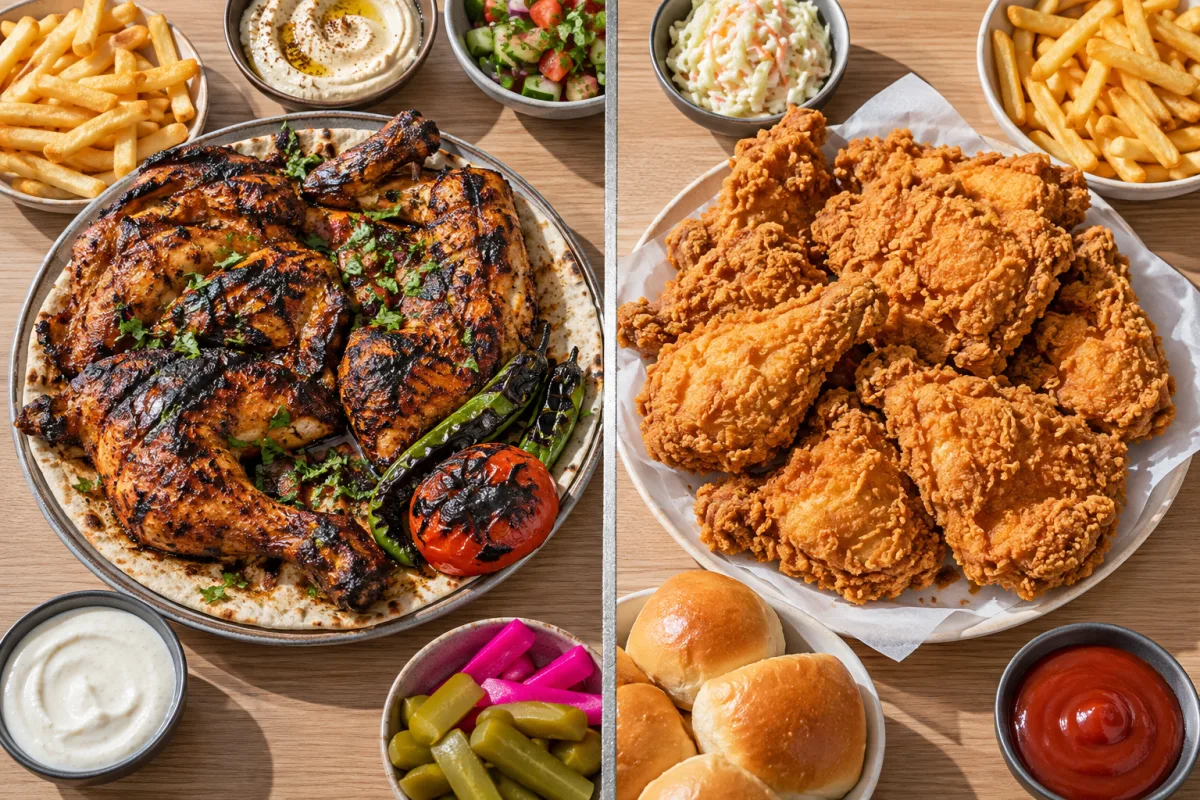
Charcoal Chicken vs Broasted Chicken
Compare two popular cafeteria chicken formats by cooking method, texture, sides and ordering situation.
Read guide →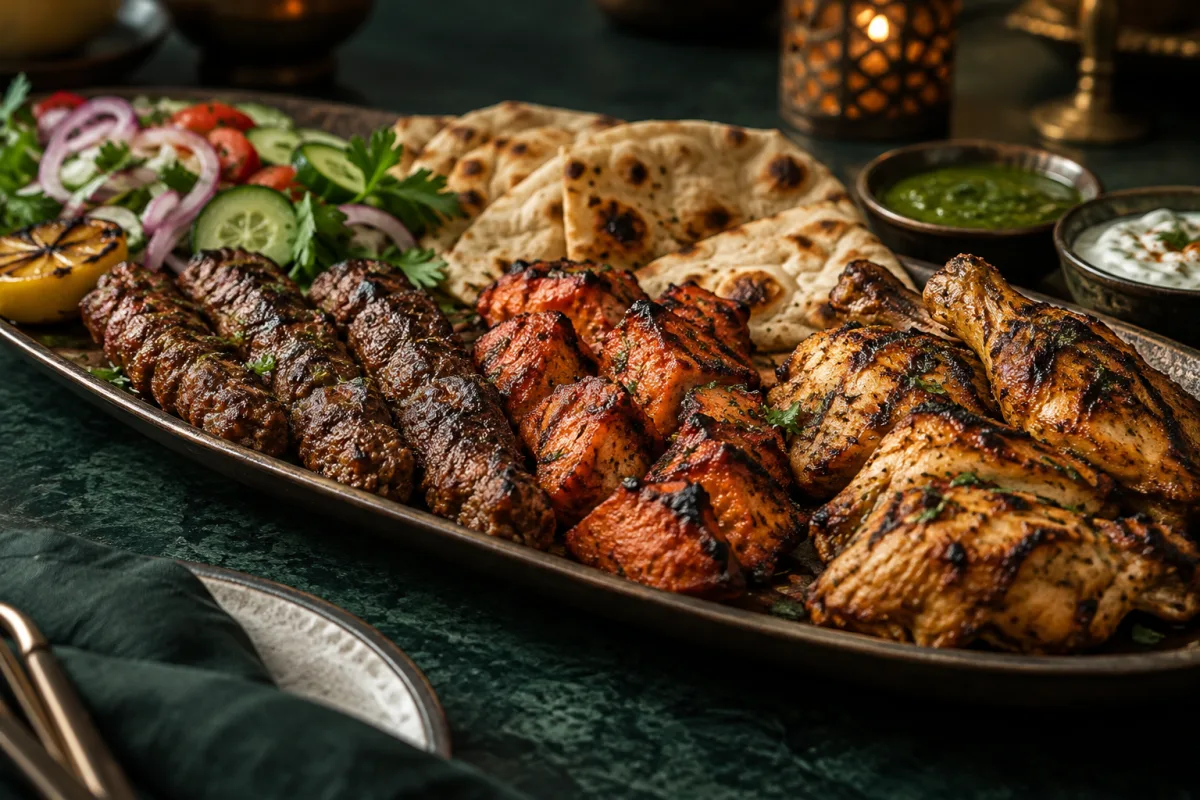
Mixed Grill Basics: Kebabs, Tikka, Chops and Wings
A diner-focused guide to reading a mixed-grill description, checking quantities and choosing sides for a shared table.
Read guide →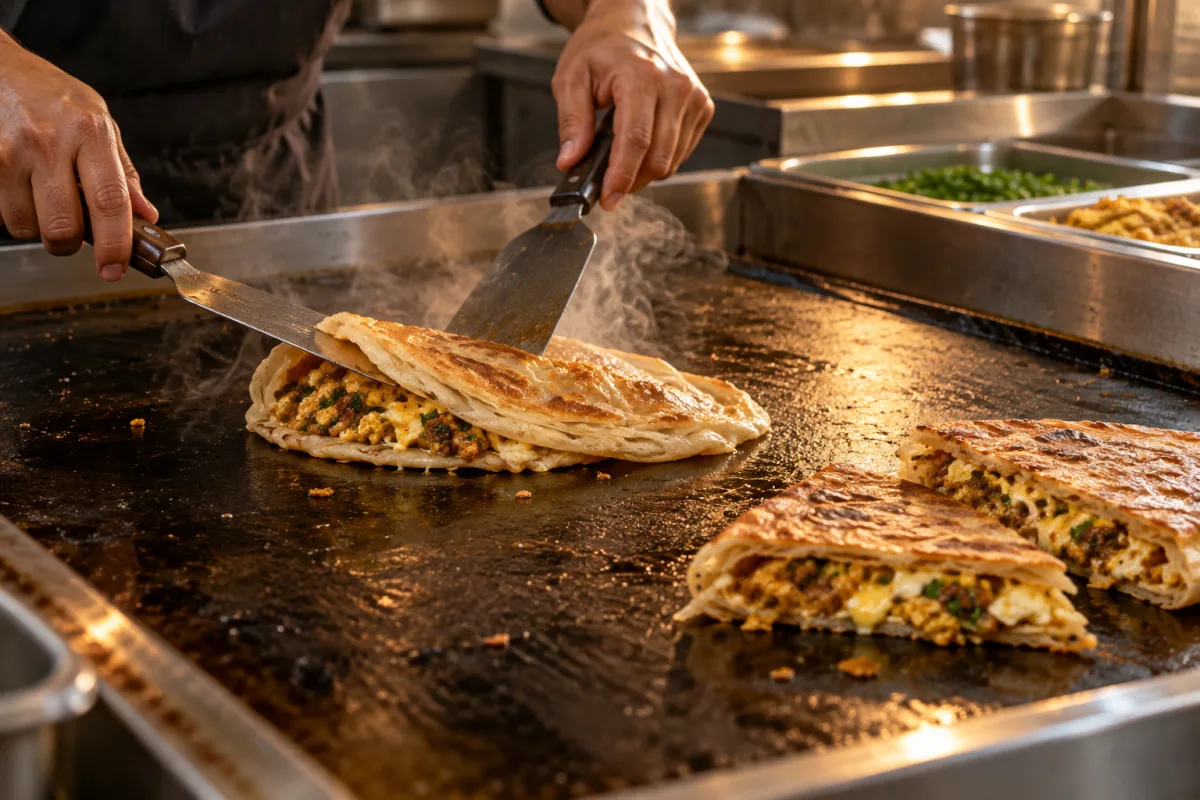
Understanding Paratha Sandwiches on UAE Menus
Learn why paratha sandwiches feel different from standard wraps and how to compare fillings, sauces and portion.
Read guide →