
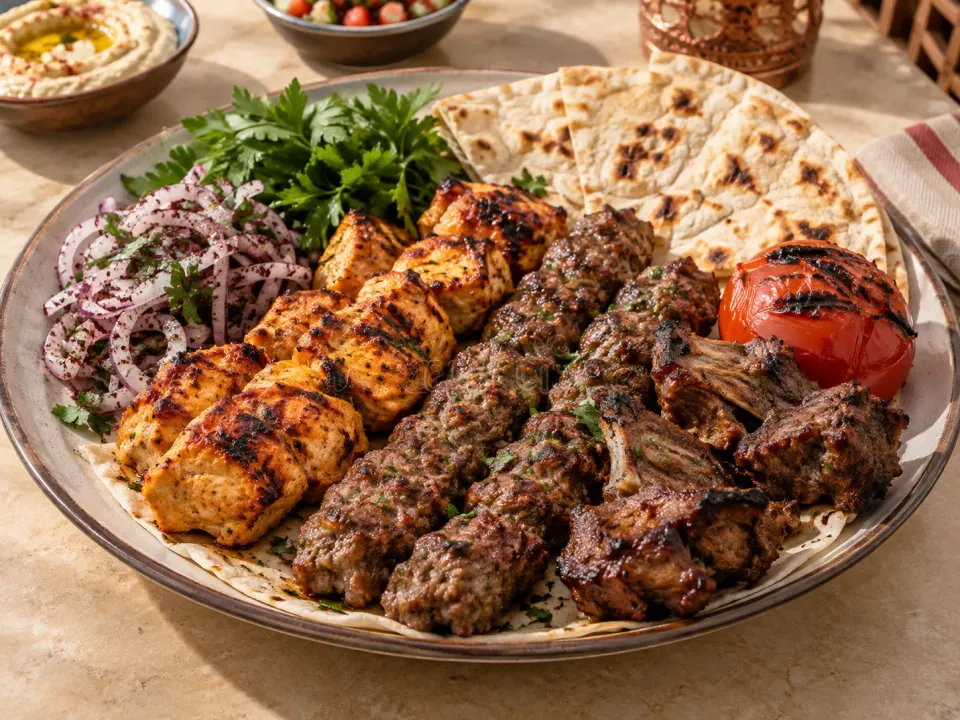
Start with the meal format
Read the category heading before the item name. A burger, wrap, club sandwich and paratha sandwich may contain similar fillings, but their bread, portion and handling are different. Grill and rice sections usually form a plated meal, while juices and shakes can be substantial enough to affect the total order.
For a first order, choose one main format, one side only if needed, and a drink whose sweetness and size you understand. This avoids the common mistake of combining several filling items simply because they appear in separate menu sections.
Use descriptions as questions, not guarantees
Short descriptions help, but recipes, portion names and prices can vary by branch and delivery channel. If an ingredient matters because of an allergy, dietary choice or strong preference, ask the selected branch directly. A generic description such as “special sauce” is not enough evidence to assume what it contains.
A practical example: when choosing a chicken wrap for someone avoiding dairy, confirm both the filling and the sauce. Removing cheese does not prove the sauce is dairy-free.
Compare complete meals
A lower-priced main is not always the lower-cost meal if fries and a drink must be added separately. Compare the complete combination you intend to eat. Also check whether a “combo” is an item format or a bundled meal; cafeteria naming is not perfectly standardised.
Our judgement
The best first-time strategy is to choose from a category you already understand, then add one local speciality. It provides a useful point of comparison without turning the order into guesswork. Time-sensitive availability and pricing should always be confirmed with the branch.
Practical field note
Before checking out, read the order back as a complete meal: main format, included side, extra side, sauce and drink. This small pause catches duplicate starches, unexpected dairy and a drink that is heavier than intended. For a concrete lunch example, a grilled chicken plate may already include bread and sauce, so adding fries and a thick shake changes both the cost and the role of the meal. The listing cannot establish current portions, so the branch remains the final source for quantities.
A six-step way to scan a long menu
First decide whether the meal should be handheld, plated or shared. Second, choose the main protein or vegetarian centre. Third, look at the bread or starch already built into the item. Fourth, identify sauces and toppings that may change richness or introduce an ingredient concern. Fifth, check what is actually included rather than assuming a photograph represents the bundle. Finally, choose a drink by its role: simple refreshment, fruit accompaniment or dessert.
This order matters because long cafeteria menus encourage horizontal browsing. A diner notices one appealing item in every section and can accidentally assemble two mains, several starches and a dessert drink. Working from meal format downward makes comparison easier. It also creates better questions for staff: “Does this grill include bread and sauce?” is more precise than “What comes with it?”
Reading prices and promotions carefully
A displayed number needs context. Confirm the currency, item size, branch, service channel and whether tax, delivery or packaging affects the total. A price on a marketplace listing may not match dine-in or takeaway. A crossed-out price may be a temporary promotion rather than the normal branch price. This website therefore omits prices that cannot be tied to a current, first-party branch source.
When comparing value, use the complete meal you intend to purchase. If one plate includes bread, salad and sauce while another requires them separately, comparing the headline main price is misleading. The same principle applies to drinks: a large layered blend and a small fresh juice are not equivalent simply because both appear in the beverage category.
Decision checkpoint
A good final check separates facts from assumptions. Facts are the item name, visible description and anything the branch confirms. Assumptions include portion, spice, included sides, preparation and whether a photograph matches today’s serving. Read each assumption as a question before ordering. If the answer is unavailable, choose a simpler item whose structure is clearer. This is especially useful for a mixed group: one person can confirm shared components while each diner checks personal ingredient concerns. Save screenshots only as a temporary order record, because marketplace menus and promotions change. For future visits, recheck time-sensitive details instead of relying on the previous order. The aim is not to slow down a casual meal; it is to spend a short moment on the few details that most often cause disappointment or waste.
Sources and verification
Sources checked on 2026-09-20. Scheduled review by 2027-03-20, or sooner if a material fact changes.